Wholesale rigid PCB sourcing reduces production costs through volume pricing and streamlined logistics. Rigid PCBs provide mechanical strength and electrical stability for consumer electronics, automotive, and industrial applications.
Key sourcing factors include FR4 material quality, layer specifications, testing protocols, ISO 9001/UL/RoHS certifications, and production capacity. Choose suppliers with proven experience, sample availability, modern facilities, and clear communication.
China-based suppliers like WellPCB wholesale rigid pcb offer competitive pricing with customization for copper weight, solder mask colors, and surface finishes at scale.
Key Takeaways
- Wholesale rigid PCB sourcing significantly lowers production costs and streamlines supply chains for electronics manufacturers.
- Rigid PCBs offer mechanical strength, electrical stability, and cost efficiency, making them essential in consumer electronics, automotive, and industrial applications.
- Choosing a reputable wholesale partner like WellPCB ensures consistent quality, customization options, and reliable after-sales support.
- Carefully assess supplier experience, certifications, material quality, and production capabilities before placing wholesale rigid PCB orders.
- Long-term success in electronics manufacturing depends on building relationships with proven wholesale rigid PCB suppliers who can scale with your business.
Understanding Rigid PCBs
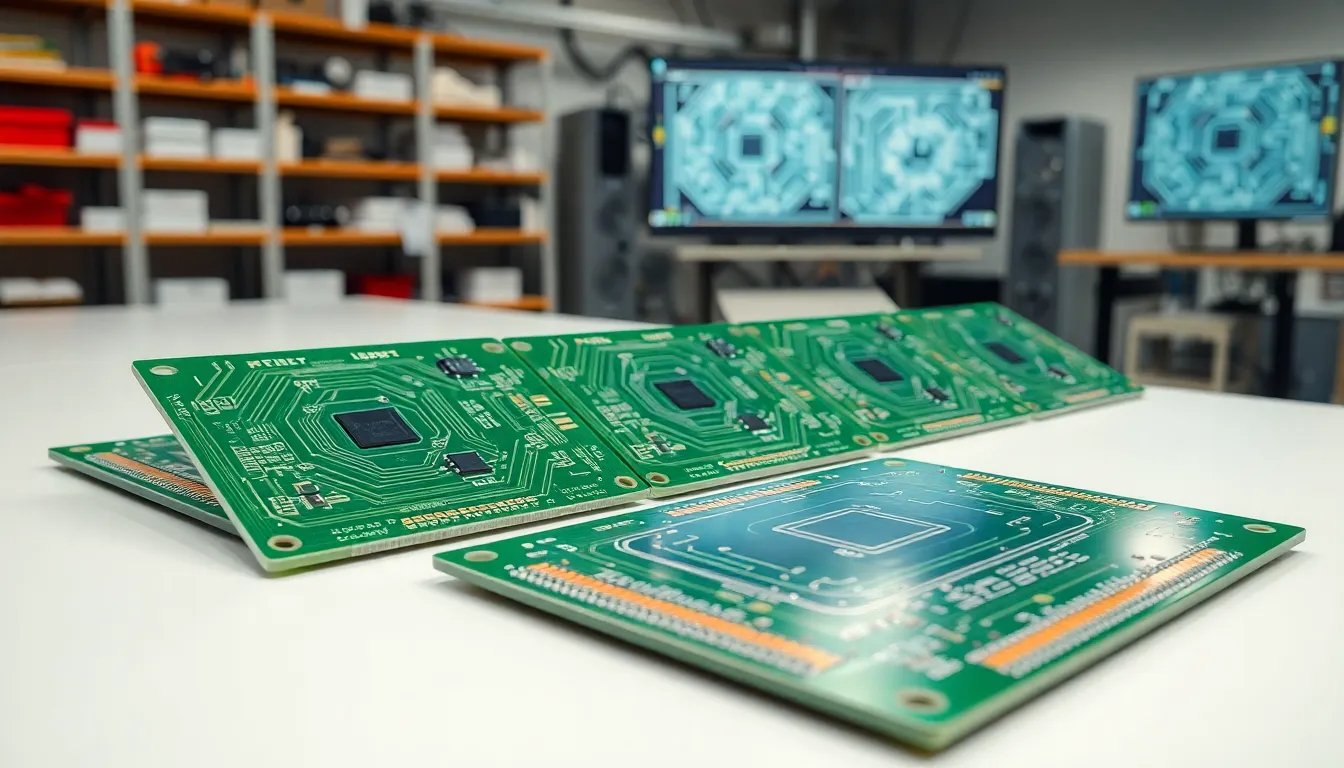
Rigid PCBs are constructed from solid, inflexible materials such as FR4 (fiberglass epoxy laminate), making them physically strong and resistant to bending. Unlike flexible PCBs, rigid boards maintain their shape and are the most common PCB type seen in everyday electronics, from computers to industrial controls.
The construction of a rigid PCB typically includes copper layers laminated onto an insulating substrate. These layers can be patterned to create complex circuits, connecting components to perform a wide range of functions. The durability and high reliability of rigid PCBs make them dependable choices in scenarios demanding stability and precise performance.
Rigid PCBs come in single-sided, double-sided, and multilayer configurations. Single-sided boards are best for simpler circuits, while multilayer boards support more complex devices and smaller footprints by allowing conductors on multiple layers.
Key Features and Applications of Rigid PCBs
Rigid PCBs offer key characteristics that suit them for a broad array of electronics projects:
- Mechanical Strength: Their inflexible core lends mechanical support, essential for devices that undergo routine handling or physical stress.
- Electrical Stability: The predictable dielectric properties of materials like FR4 help ensure consistent electrical performance.
- Cost Efficiency: Because rigid PCBs are widely used, material and manufacturing costs are competitive, especially in higher volumes.
Common Applications
- Consumer Electronics: Smartphones, televisions, and laptops all rely on rigid PCBs because of their long-term performance and integration capacity.
- Industrial Controls: Machines and robotics use rigid PCBs to maintain tight electrical tolerances under varying environmental conditions.
- Automotive Systems: Rigid PCBs support modern engine controls, infotainment systems, and advanced driver-assist functions.
WellPCB manufactures rigid PCBs designed for both standard and customized requirements, enabling support for all these core application areas. Their advanced production lines in China are set up for high yield and precise quality control, which is critical for wholesale orders.
Benefits of Buying Rigid PCBs Wholesale
Purchasing rigid PCBs in wholesale quantities offers several distinct advantages for electronics manufacturers and businesses:
- Lower Unit Prices: The most immediate benefit is cost reduction. When PCBs are ordered in volume, production efficiencies and material purchasing power decrease per-board pricing.
- Consistent Quality: Reliable suppliers, like WellPCB, carry out stringent quality control processes across batches, which is critical when boards are destined for end-use assembly lines.
- Streamlined Logistics: Handling larger shipments reduces administrative work and shipping frequency, simplifying inventory planning and operational overhead.
- Customization Options: Wholesale suppliers can accommodate technical requirements such as layer count, copper weight, solder mask color, and surface finish without the cost premiums applied to smaller runs.
For growing product companies, partnering with a vendor capable of fulfilling wholesale rigid PCB requirements means faster turnaround and the ability to scale production rapidly in response to demand.
Important Factors to Consider When Sourcing Wholesale Rigid PCBs
When sourcing rigid PCBs in wholesale quantities, several key factors should be carefully evaluated to ensure dependable supply and end-product reliability:
- Material Quality: The base material must match your application’s mechanical and electrical needs. FR4 remains industry standard, but WellPCB also accommodates other materials for specific use cases.
- Layer Count and Board Specifications: Multilayer boards can drastically reduce final product size but need higher production accuracy. Specify all design details upfront to avoid miscommunications.
- Testing and Inspection: Inquire about the supplier’s inspection protocols. WellPCB uses automated optical inspection (AOI), electrical testing, and X-ray inspection where necessary.
- Lead Time and Capacity: The supplier’s ability to handle high-volume orders with reliable lead times is crucial. Evaluate their production line size and workflow efficiency.
- Certifications: Certifications like ISO 9001, UL, and RoHS confirm the provider’s adherence to international standards of quality and safety. WellPCB holds these certifications, reassuring customers about compliance.
- After-Sales Support: Issues may arise even with the best suppliers. Choose wholesale partners with responsive customer service and a transparent communication process.
A thorough consideration of these points safeguards against quality issues, delays, or unforeseen costs. It’s about building a relationship that supports both current and future project needs.
How to Choose a Reliable Rigid PCB Supplier
Selecting a dependable partner for wholesale rigid PCB orders demands careful research and open dialogue. Here’s a proven approach:
- Review Experience and Specialization: A supplier with a long-standing record in rigid PCB production, like WellPCB, usually demonstrates process maturity and flexibility across project types.
- Ask for Samples: Initial batch samples should be inspected for build consistency, material finish, and adherence to specifications. WellPCB‘s quick prototyping services help bridge the transition to larger runs.
- Examine Facility Capabilities: Direct photos or virtual inspection of the supplier’s production line can reveal modern equipment, automation standards, and scalability.
- Evaluate Communication: Clear quotations, technical support, and open updates should be part of the engagement. WellPCB offers English-language support, making technical clarifications straightforward for global buyers.
- Check References: Ask for client references or successful case studies in similar industries to gauge real-world reliability.
Wholesale buyers avoid disruptions and ensure consistent quality by partnering with proven, communicative suppliers. WellPCB‘s established track record in fulfilling global bulk orders positions them as a reliable partner.
Frequently Asked Questions About Wholesale Rigid PCBs
What are the advantages of sourcing rigid PCBs through wholesale channels?
Sourcing rigid PCBs wholesale offers benefits like lower unit prices, consistent quality, streamlined logistics, and wider customization options. Buying in volume reduces costs and allows for technical customization to meet specific project requirements.
How do rigid PCBs differ from flexible PCBs?
Rigid PCBs are constructed from solid, inflexible materials and provide stable support for electronic components. In contrast, flexible PCBs can bend and fit into non-linear spaces, but lack the mechanical strength and stability of rigid boards.
What factors should I consider when choosing a wholesale rigid PCB supplier?
Key factors include material quality, layer count, testing and inspection protocols, lead time, certifications like ISO 9001 and RoHS, and responsive after-sales support. A reliable supplier should demonstrate consistent quality and clear communication.
Can I customize technical specifications when ordering rigid PCBs wholesale?
Yes, wholesale rigid PCB suppliers typically offer customization options such as the number of layers, copper weight, solder mask color, and surface finish. Bulk orders usually make technical customization more cost-effective.
What are common applications for wholesale rigid PCBs?
Rigid PCBs are widely used in consumer electronics (like smartphones and laptops), automotive systems, and industrial control devices. Their durability and stable electrical performance make them ideal for a broad range of electronic products.
Why should I consider suppliers based in China for wholesale rigid PCBs?
China-based suppliers, like WellPCB, often offer competitive pricing, advanced production capabilities, and streamlined logistics for global customers. Their experience with high-volume orders and strict quality standards makes them a reliable option for wholesale rigid PCB sourcing.